Client Screening: Why It's Really Best For Everyone

Most people think client screening is just a box to check - something legal teams handle before a deal closes. But here’s the truth: client screening isn’t about protecting your business from bad actors. It’s about protecting everyone involved - including the client. When you take the time to understand who you’re working with, you’re not building walls. You’re building better relationships.
Think about it: Would you hire a contractor without checking their references? Would you let someone manage your finances without seeing their track record? The same logic applies to business relationships. A quick screening process can reveal red flags before they become costly mistakes. And yes, even in industries where trust is assumed, like hospitality or personal services, it matters. For example, some clients in Paris look for discreet, vetted professionals - and that’s where services like escort. paris invest heavily in vetting, not just for legality, but for safety and reputation.
Screening Isn’t Just About Risk - It’s About Respect
When you screen clients, you’re not implying they’re untrustworthy. You’re showing them you take your work seriously. Clients appreciate when boundaries are clear. They feel more secure knowing there’s a system in place - not just for you, but for them too. Imagine walking into a therapy session, a financial advisory meeting, or even a luxury concierge service, and realizing the provider has already verified your identity, payment history, and past behavior. That’s not invasive. That’s professional.
Studies show that businesses using structured client screening see a 40% drop in disputes and cancellations. Why? Because both sides enter the relationship with aligned expectations. No surprises. No last-minute complaints about hidden fees or miscommunication. Screening creates a foundation of transparency.
What Gets Checked - And What Doesn’t
Client screening doesn’t mean digging into someone’s private life. It’s focused, practical, and legally compliant. Here’s what most responsible businesses look at:
- Identity verification - Is this person who they say they are?
- Payment history - Do they pay on time? Have they bounced checks or disputed charges before?
- Professional references - Especially important for B2B or high-value services.
- Behavioral history - Any past complaints, legal issues, or patterns of abuse?
- Compliance status - Are they subject to sanctions or restricted entities?
What’s left out? Religion, political views, sexual orientation, marital status - anything unrelated to the service being provided. Good screening respects privacy while protecting integrity.
How It Helps Small Businesses Survive
Small businesses get hit hardest by bad clients. One late-paying client can break cash flow. One abusive client can destroy morale. One fraudulent client can trigger legal trouble. Screening levels the playing field.
Take a freelance graphic designer in Berlin. Before taking on a new client, they run a quick check: Google the company name, look at their domain registration, check if they’ve been flagged on freelance platforms. One client turned out to be a scam artist using a fake LLC. The designer saved $8,000 and three weeks of work - all because of a 10-minute screening.
It doesn’t take fancy software. A free business registry lookup, a quick LinkedIn profile review, or even a call to a previous vendor can make all the difference.

It Builds Long-Term Trust - Not Just Short-Term Safety
Screening isn’t a one-time event. It’s an ongoing practice. Clients who know you screen consistently start to trust you more. They know you don’t just say you’re professional - you prove it.
Think of it like airport security. No one likes going through the metal detector. But when you see everyone else going through it too - including the CEO and the pilot - you feel safer. That’s the psychology of screening. It normalizes caution. It signals that your business operates with integrity.
And here’s the quiet win: clients who pass your screening often become your best advocates. They refer others. They leave glowing reviews. They stick around longer. Screening doesn’t just filter out the bad - it attracts the good.
The Hidden Cost of Skipping Screening
Skipping screening feels faster. It feels friendlier. But the cost? It’s hidden until it’s too late.
A boutique hotel in London lost over $120,000 in a single year to clients who booked luxury suites, then disappeared without paying. They didn’t verify IDs or payment methods. They assumed “it won’t happen here.” It did. And it happened again - twice more.
Another case: a wellness coach in Toronto had a client who fabricated a medical emergency to avoid paying for sessions. The coach lost $5,000 and spent months in legal limbo. All because they skipped a simple background check.
These aren’t outliers. They’re warnings.
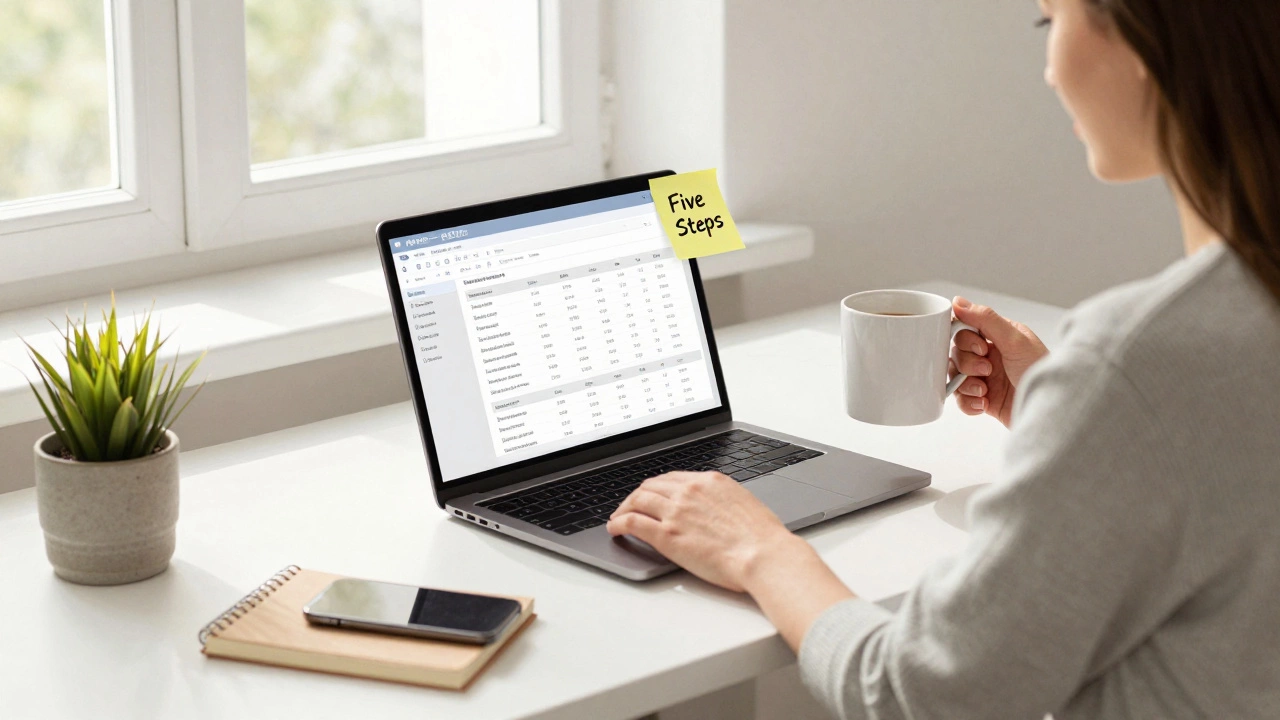
How to Start - Even If You’re Just One Person
You don’t need a team or a budget to start screening. Here’s how to begin today:
- Ask for a government-issued ID on first contact. No exceptions.
- Verify payment method before starting work. Use platforms like Stripe or PayPal that offer buyer/seller protection.
- Search the client’s name + your industry on Google. Look for complaints or red flags.
- Check LinkedIn. Do they have a real profile? Are their connections consistent with their claimed role?
- Use free tools like OpenCorporates or WHOIS lookup for business clients.
That’s it. Five steps. Five minutes. One less nightmare down the road.
When Screening Goes Wrong
Not all screening is good screening. If you’re asking for social security numbers, bank details, or private photos - you’re overstepping. If you’re making assumptions based on accents, names, or appearances - you’re not screening. You’re discriminating.
Good screening is neutral, consistent, and documented. It applies to everyone equally. A billionaire and a college student should be screened the same way - using the same criteria.
And if you’re using screening to exclude people based on bias? You’re not protecting your business. You’re limiting it.
Final Thought: It’s Not About Distrust - It’s About Clarity
Client screening isn’t about suspicion. It’s about clarity. It removes guesswork. It replaces anxiety with structure. It turns uncertain interactions into confident partnerships.
And yes - even in fields where personal connection matters most, like coaching, therapy, or luxury services, screening makes the connection stronger. Because when both sides know they’re safe, they can focus on what really matters: the work.
So next time you think screening is too much trouble - remember: the best clients aren’t the ones who slip through the cracks. They’re the ones who walk through the door knowing you’ve already made room for them.
And if you’re ever in Paris and need a reliable, vetted experience - you’ll find that same principle in action at escoer paris. It’s not about secrecy. It’s about standards.
Even the most discreet services understand this: trust isn’t given. It’s earned - through process, not promise.
And that’s why client screening isn’t just best for your business. It’s best for everyone.
By the way - if you’ve ever been let down by a client who slipped through the cracks, you already know this. You just didn’t have the system to stop it. Now you do.
Start small. Stay consistent. Protect your peace.
And if you ever need a quick reference - esocrt paris shows how even niche services prioritize safety over speed.